Cashmere Ply Explained: What 1-Ply, 2-Ply and 4-Ply Really Mean
If you have ever shopped for cashmere, you will have seen jumpers described as 1-ply, 2-ply or even 4-ply, but what does ply actually mean, and does more always mean better? The answer is more interesting than you might expect. Ply is simply the number of yarns twisted together before knitting, and it shapes how a garment feels, how warm it is and how it drapes. Understanding it makes choosing the right knit for the right moment wonderfully straightforward.
What is a ply?
A single ply is one strand of spun cashmere yarn. A 2-ply yarn twists two strands together, a 4-ply twists four, and so on. Twisting strands together makes the yarn rounder, stronger and more substantial, and the finished knit becomes warmer and more durable as a result. Ply is not the same as thickness of fibre, and it is not a quality grade in itself: it is a design choice, matched to what the garment is meant to do.

1-ply cashmere: light and fluid
A 1-ply knit is the finest and lightest option. It has a beautiful fluid drape, layers easily under blazers and coats, and is ideal for milder days, offices and centrally heated spaces where heavier knits feel too much. 1-ply jumpers are the ones travellers love, folding small into a bag while still giving that unmistakable cashmere softness and a useful layer of warmth when temperatures dip.

2-ply cashmere: the versatile middle ground
For most people, 2-ply is the sweet spot. It has noticeably more body and warmth than 1-ply, holds its shape beautifully, and still drapes rather than bulks. A 2-ply jumper handles the school run, the commute and a winter walk with equal ease, and it is the ply we recommend if you are buying one great cashmere knit to do almost everything. It is also a touch more forgiving in wear, since the twisted yarns resist abrasion well.

4-ply and beyond: serious warmth
At 4-ply and above, cashmere becomes a true cold weather knit: dense, cosy and luxuriously substantial. These are the jumpers you reach for on the frostiest days, for winter weekends and for anyone who really feels the cold. The trade-off is weight and warmth indoors, so many people keep a heavier knit for outdoor days and a lighter ply for everyday wear. In accessories, higher plies bring the same benefits to hats, gloves and scarves, adding insulation without stiffness.

Ply and quality: what actually matters
It is tempting to assume more ply means better cashmere, but quality lives in the fibre itself: the length and fineness of the hairs used, and how tightly and carefully they are spun and knitted. Grade A cashmere uses long, fine fibres, which is why it feels smoother, resists pilling better and lasts longer, whatever the ply. A well made 1-ply from fine, long fibres will outwear a poor 4-ply every time. Use ply to choose warmth and weight for the job, and fibre quality to judge how long the piece will stay beautiful.
And in scarves, hats and gloves?
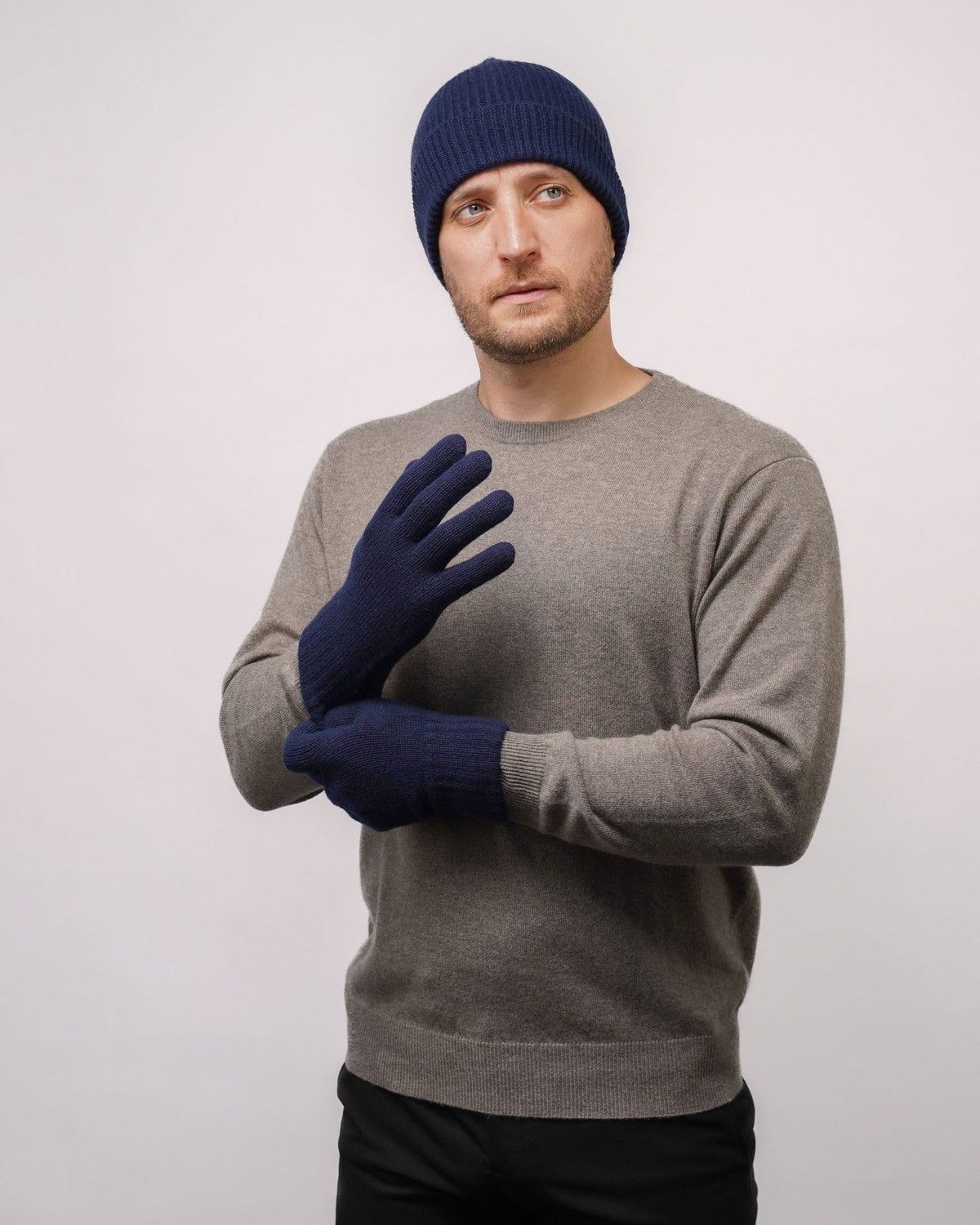
Ply matters in accessories too. A fine 1-ply scarf drapes elegantly and slips into a handbag, while a 2-ply or 3-ply scarf brings real insulation for midwinter. Beanies and gloves are often knitted in 2-ply or 3-ply yarns, giving warmth and structure without heaviness, so your extremities stay comfortable without bulky layers.

Choosing your ply
Think about when you will wear the piece most. Mostly indoors or layered? Choose 1-ply or 2-ply. Mostly outdoors in midwinter? Look at 2-ply and above. Many knitwear lovers end up with both, and rotate them across the season.
However many plies you choose, great cashmere is an investment in everyday comfort, and understanding ply helps you buy the right knit first time.